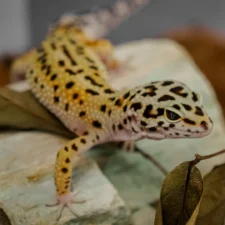


Leopard geckos have a way of winning people over with their curious expressions, spotted patterns, and tiny little smiles that somehow always look slightly mischievous. These popular reptiles are often recommended for beginners, but they still require thoughtful planning and attention to detail. At Town And Country Animal Hospital, your Habersham County exotic veterinary clinic, we regularly help reptile owners create healthier environments for their scaled companions through practical wellness guidance and habitat recommendations. Understanding proper leopard gecko care can help your reptilian buddy stay active, comfortable, and healthier for years to come.
Leopard geckos may be small, but their needs are mighty! They rely on us for the right temperature, lighting, nutrition, hydration, and a bit of fun in their environment. A good gecko habitat lets your little buddy climb, hide, and explore, all while keeping their body temperature and digestion on track. By following safe heating tips, feeding a balanced diet, and brushing up on the basics, you’ll help your gecko stay healthy and happy for the long haul.
Why Habitat Setup Matters for Leopard Geckos
Unlike our furry friends, reptiles like leopard geckos depend on their surroundings to keep their bodies running smoothly. Everything from their temperature to their appetite is tied to their habitat.
The way you set up your gecko’s home greatly impacts nearly every part of their health.
Improper setups may contribute to:
- Poor appetite
- Shedding problems
- Stress
- Digestive concerns
- Low activity levels
- Metabolic health issues
A well-set-up tank helps your scaly pal stay healthy and lets them show off all their natural gecko moves.
Start With the Right Leopard Gecko Habitat
One of the biggest keys to a happy gecko life? Giving them a home that’s just right for their needs.
Leopard Geckos Need Enough Space
Baby geckos can start in smaller tanks, but once they grow up, they’ll appreciate a bigger space where they can explore and find their favorite warm or cool spots.
Your gecko’s enclosure should provide room for:
- Hiding
- Climbing
- Exploring
- Thermoregulation
- Feeding areas
If your gecko’s home is too cramped or too empty, it can stress them out and make them less active. Nobody likes a boring living room, right?
Secure Lids Matter
Don’t let those stubby legs fool you—leopard geckos are sneaky little climbers and love to explore every nook and cranny.
A secure lid keeps your gecko from staging a great escape and also keeps them safe from curious cats, dogs, or other household hazards.
Focus on Proper Reptile Heating Setup
Keeping the temperature just right is super important for your gecko’s health.
Leopard Geckos Depend on External Heat
Reptiles aren’t built like dogs or cats. They can’t warm themselves from the inside, so they rely on us to set up the perfect climate.
A good heating setup lets your gecko choose between a toasty spot and a cooler hangout, depending on their mood.
Create a Temperature Gradient
Healthy habitats generally include:
- A warmer basking area
- A cooler resting area
- Stable overnight temperatures
Having both warm and cool areas helps your gecko digest food and stay active. Think of it as their own personal spa day every day.
Avoid Unsafe Heat Sources
Improper heating equipment may cause burns or dangerous temperature fluctuations.
Heat sources should always be monitored carefully with reliable thermometers.
Since your gecko can’t grab a sweater when cold, keeping their tank at the right temperature is essential for daily health.
Provide Proper Hiding Areas
Leopard geckos are pros at hide-and-seek. They love to tuck themselves away during the day.
Hides Help Reduce Stress
Make sure your gecko’s home has a few cozy hiding spots so they can pick their favorite place to chill.
Helpful hide locations may include:
- Warm-side hides
- Cool-side hides
- Humid hides for shedding support
These hideouts help your gecko feel safe and keep stress at bay, because even reptiles need a little me-time.
Humid Hides Support Healthy Shedding
Leopard geckos require slightly higher humidity during shedding periods.
Humid hides may help reduce shedding problems involving:
- Toes
- Tail tips
- Eyes
If your gecko has trouble shedding, don’t ignore it—leftover skin can cause problems for their toes, tail, or even their eyes.
Support Healthy Nutrition and Feeding Habits
Feeding your gecko a balanced diet is one of the best ways to keep them healthy for years to come.
Leopard Geckos Eat Insects
Most leopard geckos love munching on insects, but it’s important to pick the right size and type. Your vet can help you choose the best menu.
Feeding schedules often vary depending on:
- Age
- Activity level
- Growth stage
- Health status
Variety Helps Support Nutrition
Mixing up your gecko’s meals keeps things interesting and helps cover all their nutritional bases.
Many geckos need a little extra help from supplements to keep their bones strong and their bodies in tip-top shape.
Your exotic veterinary team can help guide appropriate nutritional support as part of responsible beginner reptile care.
Keep the Habitat Clean
Clean environments help reduce stress and support healthier reptiles.
Spot Clean Regularly
Remove waste and uneaten food promptly to maintain better hygiene.
Replace Substrate Safely
Some loose bedding can be risky if your gecko decides to taste-test it, so choose safe materials based on your gecko’s age and health.
Select safe enclosure materials carefully based on your gecko’s age and health needs.
Fresh Water Should Always Be Available
Even though leopard geckos come from dry places, they still need fresh, clean water every day.
Water dishes should be cleaned regularly to reduce bacteria buildup.
Enrichment Matters for Reptiles Too
Reptiles like a little excitement, too! Giving your gecko things to explore keeps them happy and active.
Leopard Geckos Explore Their Environment
Simple enrichment may include:
- Climbing structures
- Textured surfaces
- Safe tunnels
- Rearranged décor
- Exploration opportunities
A fun, interesting tank lets your gecko show off their natural skills and keeps them on the move.
Avoid Constant Handling
Some leopard geckos tolerate handling well, while others prefer more limited interaction.
Knowing your gecko’s comfort level helps reduce stress.
Your scaly buddy might not be a snuggler like a dog, but they still love gentle, steady care and a watchful eye.
Watch for Common Leopard Gecko Health Concerns
Keep an eye out for small changes in your gecko’s behavior—these can be early clues that something’s not quite right.
Signs Your Gecko May Need Veterinary Care
Watch for:
- Reduced appetite
- Weight loss
- Trouble shedding
- Swelling
- Lethargy
- Weakness
- Difficulty walking
- Reptiles are experts at hiding when they’re not feeling well, so it’s important to catch any changes early and monitor them closely.
Routine wellness care helps support earlier detection of potential concerns.
Lighting and Day-Night Cycles Matter
Leopard geckos rely on consistent environmental cycles.
Maintain Predictable Light Schedules
Regular day-night cycles help support:
- Activity patterns
- Appetite
- Stress reduction
- Overall wellness
Avoid Constant Bright Light
Leopard geckos are generally more active during lower-light periods and often prefer areas with moderate cover and shelter.
Balanced habitat lighting supports comfort and natural behavior.
Beginner Reptile Care Requires Research and Patience
Leopard geckos are often recommended for new reptile owners because they are generally calm and manageable compared to some reptile species.
However, proper beginner reptile care still involves:
- Careful temperature monitoring
- Specialized nutrition
- Habitat maintenance
- Veterinary care
- Environmental management
Learning about reptile wellness before problems develop helps support healthier long-term care.
Fun Facts About Leopard Geckos
Leopard geckos have some pretty interesting adaptations.
Leopard Geckos Store Fat in Their Tails
Healthy tails often serve as important energy reserves.
They Blink, Unlike Many Lizards
Leopard geckos have movable eyelids, which makes them unique among many gecko species.
Leopard Geckos Shed Their Skin Regularly
Healthy shedding supports skin and scale maintenance.
They Explore With Their Tongues
Like many reptiles, leopard geckos gather information about their environment through scent and tongue-flicking behaviors.
To learn more about your lizard’s diet and nutrition needs, PetMD has a great article that you can read here. You can learn more about how to tell if your lizard is sick in this PetMD article.
FAQ
What is most important for proper leopard gecko care?
Temperature control, nutrition, habitat setup, hydration, and stress reduction all play major roles in leopard gecko wellness.
What should a good leopard gecko habitat include?
Healthy habitats should provide heating gradients, hides, climbing areas, clean water, and safe enclosure materials.
Why is a proper reptile heating setup important?
Reptiles rely on external heat sources to regulate digestion, metabolism, and daily activity.
What supports healthy pet gecko nutrition?
Balanced insect diets, proper supplementation, hydration, and appropriate feeding schedules help support reptile health.
Is owning a leopard gecko good for beginner reptile care?
Leopard geckos are often considered suitable beginner reptiles, but they still require specialized environmental and veterinary care.
Schedule Reptile Wellness Care at Our Habersham County Veterinary Clinic
Leopard geckos may be small reptiles, but their environmental and wellness needs are highly specialized. At Town And Country Animal Hospital, our Habersham County veterinarians enjoy helping reptile owners improve leopard gecko care through habitat guidance, wellness evaluations, and personalized exotic pet support. Whether you need help improving your leopard gecko habitat, adjusting a reptile heating setup, or supporting healthier pet gecko nutrition, our veterinary clinic is here to help your scaled companion thrive.
Are you searching online for an experienced “vet near me” for reptile care in Habersham County? Contact Town And Country Animal Hospital today to schedule a wellness appointment with our exotic pet veterinary team.
This blog is intended for informational purposes only. Always consult your veterinarian for medical advice, diagnosis, and treatment recommendations tailored to your pet’s individual needs.
To find out more about Town and Country Animal Hospital, start by stopping by our Service page. You’ll find overviews of the services we offer, including basics like Wellness Care and Vaccinations, as well as Boarding, Grooming, and more.