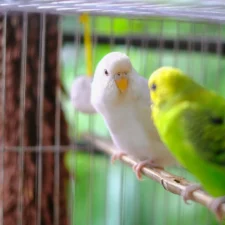


Canaries may be small, but they bring an impressive amount of personality, music, and charm into a home. Whether your feathered friend greets the morning with cheerful songs or quietly supervises the room from a favorite perch, proper daily care plays a major role in supporting long-term wellness. At Town And Country Animal Hospital, your Habersham County exotic veterinary clinic, we enjoy helping bird owners learn practical ways to support healthier and happier companion birds. Following thoughtful canary care tips can help your winged buddy stay active, comfortable, and mentally engaged throughout every stage of life.
Canaries do have a few special requests when it comes to their care—think good food, a comfy cage, fun things to do, and a safe spot to call home. Learning how to meet these needs isn’t just good for your bird; it can make your daily routine easier, too. Even small changes can make a big difference for these clever, sensitive little buddies.
Why Proper Canary Care Matters
Canaries have a bit of a reputation as low-maintenance pets, but don’t let their size fool you: they still need regular attention and a little bit of special care.
Like many birds, canaries are naturally skilled at hiding signs of illness. That means subtle changes in behavior, appetite, or activity level may become important clues involving health concerns.
Good daily care supports:
- Respiratory health
- Feather condition
- Mental stimulation
- Digestion
- Physical activity
- Emotional wellness
A healthy canary is usually busy, bright-eyed, singing up a storm, and always curious about what’s going on around them.
Start With a Proper Canary Cage Setup
A thoughtful canary cage setup helps support both physical and emotional wellness.
Cage Size Matters
Canaries might be little, but they still need plenty of space to hop, stretch, and show off those flying skills.
Whenever you can, pick a cage that lets your bird fly side to side, not just up and down, canaries love a little room to zip around!
Your feathered friend benefits from opportunities to:
- Stretch wings
- Fly short distances
- Explore perches
- Move freely
Choose Safe Perches
Providing multiple perch sizes and textures helps support foot health and comfort.
Natural wood perches are a favorite because they come in all shapes and sizes, which encourages your bird to grip and move just like they would in the wild.
Try not to fill the cage with too many toys or gadgets. Your canary needs space to move and groove.
Keep the Cage in a Calm Area
Birds are pretty sensitive to what’s going on around them, and too much chaos can stress them out.
Place cages away from:
- Drafts
- Kitchens
- Direct sunlight
- Loud televisions
- Heavy foot traffic
- Smoke or strong odors
A stable environment supports better pet canary health and reduces stress.
Focus on Balanced Nutrition
Nutrition is one of the most important aspects of canary care tips because diet affects nearly every part of a bird’s health.
Seeds Alone Are Not Enough
One common misconception is that canaries should eat only seeds.
While seeds may be part of the diet, balanced nutrition often also includes:
- Fresh greens
- Bird-safe vegetables
- Specialized formulated diets
- Fresh water daily
Following good bird nutrition tips supports feather quality, immune health, and energy levels.
Offer Fresh Foods Carefully
Bird-safe greens and vegetables provide valuable variety and enrichment.
Fresh foods should be:
- Washed thoroughly
- Offered in small portions
- Removed before spoiling
Avoid feeding unsafe foods such as:
- Chocolate
- Avocado
- Caffeine
- Alcohol
- Salty foods
Fresh Water Matters Daily
Clean water should always be available.
Clean water dishes regularly, as bacteria can build up quickly in small enclosures.
Encourage Mental Stimulation and Activity
Canaries are naturally curious and active birds.
Without enough stimulation, birds can become bored or less active over time.
Rotate Toys and Enrichment
Simple enrichment ideas may include:
- Swings
- Bird-safe mirrors
- Bells
- Shreddable toys
- Safe climbing accessories
Rotating enrichment items helps maintain curiosity and engagement.
Music and Gentle Interaction
Many canaries enjoy calm environments with gentle sounds and routine interaction.
Canaries are not usually as physically interactive as parrots, but still benefit from social attention and environmental enrichment.
Flight Time Matters
Movement supports circulation, muscle tone, and emotional wellness.
When safe and appropriate, larger flight spaces or supervised out-of-cage time help encourage activity for healthy pet birds.
Watch for Respiratory Risks
Birds have highly sensitive respiratory systems, which means air quality matters tremendously.
Avoid Airborne Irritants
Common household risks may include:
- Smoke
- Aerosol sprays
- Scented candles
- Air fresheners
- Cleaning fumes
- Nonstick cookware fumes
Good ventilation and careful product choices support better pet canary health.
Kitchens Are Risky Areas for Birds
Cooking fumes and sudden temperature changes can quickly become dangerous for birds.
Keeping your winged companion away from kitchens is a simple and important canary care tip.
Monitor Feather and Beak Condition
Changes involving feathers or grooming habits may signal underlying concerns.
Healthy Birds Groom Regularly
Canaries naturally preen their feathers throughout the day to maintain feather condition.
Watch for signs such as:
- Feather loss
- Fluffed feathers
- Overgrown beaks
- Reduced grooming
- Bald patches
Subtle changes can indicate illness, stress, or nutritional imbalances.
Molting Is Normal
Canaries periodically replace feathers through molting cycles.
Mild temporary feather loss during molting is normal, but severe feather changes deserve veterinary evaluation.
Keep Stress Levels Low
Birds are observant and may react strongly to environmental changes.
Sudden Stressors May Include:
- Loud noises
- New pets
- Changes in lighting
- Frequent cage movement
- Rough handling
- Predator exposure
Seeing cats or dogs staring at the cage can create stress for some birds.
Routine Helps Birds Feel Secure
Consistent schedules for feeding, lighting, and quiet rest support healthier daily routines.
Stable environments support healthy pet birds.
Signs Your Canary May Need Veterinary Care
Birds often hide illness until symptoms are advanced.
Watch for:
- Reduced singing
- Fluffed feathers
- Reduced appetite
- Sitting low on the perch
- Breathing changes
- Weight loss
- Changes in droppings
- Lethargy
If your canary suddenly seems quieter or less active, contact your veterinary clinic promptly.
At Town And Country Animal Hospital, our Habersham County veterinarians support the wellness of exotic pets through preventive care and species-specific guidance for birds and other exotic companions.
Fun Facts About Canaries
Canaries are fascinating little birds with some unique traits.
Male Canaries Usually Sing More
Male canaries are generally more vocal and known for their beautiful songs.
Canaries Have Excellent Hearing
Birds are highly sensitive to sound and environmental changes.
Canaries Were Once Used in Coal Mines
Historically, canaries helped detect dangerous gases because of their sensitive respiratory systems.
Birds Thrive on Routine
Consistent lighting, feeding, and quiet rest periods support healthier bird behavior.
The Association of Avian Veterinarians has created comprehensive bird care sheets for multiple bird species. The Royal Society For The Prevention of Cruelty to Animals has a good article on avian nutrition, which you can read here.
FAQ
What are the important Canary care tips for beginners?
Proper cage setup, balanced nutrition, enrichment, and regular veterinary care support healthier canary wellness.
What should a good canary cage setup include?
Canaries benefit from spacious cages, multiple perches, safe toys, ventilation, and calm environments away from hazards.
How can I support Pet Canary Health?
Balanced nutrition, environmental safety, mental stimulation, and wellness monitoring support bird health. What are helpful bird nutrition tips for canaries?
Offer balanced bird diets, fresh greens, clean water, and avoid unsafe or spoiled foods.
How do I know if my bird is healthy?
Most healthy pet birds are alert, active, vocal, eat normally, and maintain smooth feather condition.
Schedule Bird Wellness Care at Our Habersham County Veterinary Clinic
Canaries may be small companions, but they require thoughtful daily care and specialized wellness support to thrive. At Town And Country Animal Hospital, our Habersham County veterinarians enjoy helping bird owners improve their pet canary’s health through practical canary care tips, enrichment guidance, and preventive wellness care. Whether you need help creating a better canary cage setup, improving nutrition, or monitoring your bird’s behavior, our veterinary clinic is here to support your feathered friend’s health and happiness.
Are you searching online for an experienced “vet near me” for bird care in Habersham County? Contact Town And Country Animal Hospital today to schedule a wellness appointment with our exotic pet veterinary team.
This blog is intended for informational purposes only. Always consult your veterinarian for medical advice, diagnosis, and treatment recommendations tailored to your pet’s individual needs.
To find out more about Town and Country Animal Hospital, start by stopping by our Service page. You’ll find overviews of the services we offer, including basics like Wellness Care and Vaccinations, as well as Boarding, Grooming, and more.