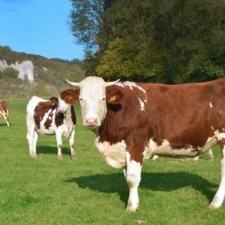


Georgia summers can feel heavy enough to make even humans want to stand directly in front of the nearest fan with an iced drink in hand. For barn animals, high temperatures and humidity can create serious stress if proper precautions are not in place. At Town And Country Animal Hospital, your North Georgia large-animal veterinary clinic, we regularly help farmers and livestock owners prepare for the hot-weather challenges that affect horses, goats, cows, and other farm animals. Thoughtful barn animal summer care can help support comfort, hydration, and overall wellness during the hottest parts of the year.
Heat affects animals differently depending on species, age, health, body condition, and environment. Following practical livestock heat safety strategies, improving farm animal hydration, and adjusting routines during hot weather all play important roles in healthier animal care during hot weather. Whether you manage a large farm or a small backyard herd, these Georgia farm animal tips can help your animals stay safer and more comfortable throughout summer.
Why Georgia Heat Can Be Challenging for Barn Animals
North Georgia summers often combine high temperatures with heavy humidity, which makes it harder for animals to cool themselves effectively.
Humidity limits the body’s ability to release heat through sweating and evaporation.
Heat stress may affect:
- Appetite
- Hydration
- Energy levels
- Breathing
- Milk production
- Mobility
- Overall wellness
Older, overweight, young, and animals with underlying health conditions may face higher risks during extreme weather.
Recognize Signs of Heat Stress Early
One of the most important parts of barn animal summer care is learning to recognize heat stress before it becomes severe.
Signs of Heat Stress May Include:
- Heavy panting
- Rapid breathing
- Excessive sweating
- Drooling
- Lethargy
- Weakness
- Reduced appetite
- Isolation from the herd
- Increased resting
- Stumbling
Different species may show heat stress differently.
Goats may seek shade and reduce activity, while cattle often crowd around water sources. Horses may sweat heavily or appear fatigued more quickly during exercise.
Prompt intervention matters when animals begin showing signs of overheating.
Prioritize Farm Animal Hydration
Water intake becomes especially important during hot weather.
Animals Need More Water During Summer
Increased heat naturally raises water requirements.
Good farm animal hydration supports:
- Temperature regulation
- Digestion
- Circulation
- Energy levels
- Overall body function
Hot weather may cause animals to drink significantly more water than usual.
Keep Water Sources Clean
Dirty or algae-filled troughs may discourage animals from drinking enough.
Water containers should be:
- Cleaned regularly
- Refilled frequently
- Positioned in shaded areas when possible
Cooler water temperatures may also encourage better intake during extreme heat.
Monitor Water Access Carefully
Dominant animals may occasionally block timid herd members from water sources.
Multiple watering stations can help reduce crowding and improve access.
Provide Shade Throughout the Day
Shade is one of the simplest and most effective livestock heat safety strategies.
Natural and Artificial Shade Both Help
Helpful shade sources may include:
- Trees
- Run-in sheds
- Barn overhangs
- Shade cloth structures
Animals should have enough shaded space to avoid overcrowding during peak temperatures.
Airflow Matters Too
Shade alone may not provide enough cooling if airflow is poor.
Good ventilation helps reduce heat buildup inside barns and shelters.
Fans may help improve circulation in enclosed spaces for some species.
Adjust Feeding and Activity Schedules
Animals often tolerate physical activity and feeding better during cooler parts of the day.
Schedule Activity During Cooler Hours
Morning and evening are often safer times for:
- Exercise
- Training
- Herd movement
- Transport
- Veterinary procedures
Avoid unnecessary exertion during the hottest part of the afternoon whenever possible.
Feeding Timing Can Help
Digestive activity generates body heat.
Some farmers find that feeding larger meals during cooler periods may improve comfort during extreme temperatures.
Good hot-weather animal care often involves adjusting routines seasonally.
Improve Ventilation in Barns and Shelters
Poor airflow can trap heat and humidity inside animal housing areas.
Ventilation Supports Livestock Heat Safety
Good airflow helps reduce:
- Heat buildup
- Moisture accumulation
- Respiratory irritation
- Odors
Barns should allow fresh air circulation without creating dangerous drafts.
Watch Humidity Levels
Humidity makes hot weather significantly harder on livestock.
Ventilation becomes especially important during humid Georgia summers when animals struggle to cool themselves effectively.
Use Safe Cooling Methods
Some species tolerate certain cooling strategies better than others.
Horses May Benefit From Hosing and Fans
Cool water and airflow may help reduce body temperature after activity.
Cattle Often Enjoy Misting or Shade Cooling
Carefully managed cooling systems may improve comfort in some herd environments.
Goats Prefer Dry Resting Areas
Goats generally dislike damp bedding and muddy conditions, even during hot weather.
Providing dry resting areas remains important during the summer months.
Watch for Insects and Parasites
Summer heat also increases insect activity across North Georgia.
Common Summer Parasites May Include:
- Flies
- Mosquitoes
- Ticks
- Internal parasites
Heavy insect activity may increase stress, irritation, and disease risks.
Reduce Standing Water
Standing water may attract mosquitoes and increase insect breeding.
Good environmental management supports better Georgia farm animal tips for summer wellness.
Protect Vulnerable Animals Extra Carefully
Some animals require closer monitoring during hot weather.
Senior Animals
Older animals may tolerate heat less efficiently.
Young Animals
Young livestock may dehydrate faster during extreme temperatures.
Overweight Animals
Extra body weight may increase heat retention and physical strain.
Thick-Coated Animals
Animals with heavier coats may struggle more during humid weather.
Close monitoring helps ensure safer summer care for barn animals during heat waves.
Keep Bedding and Living Areas Dry
Heat combined with moisture creates uncomfortable conditions quickly.
Wet Bedding Increases Stress
Damp environments may contribute to:
- Skin irritation
- Hoof problems
- Odors
- Increased bacteria
Dry bedding supports comfort and cleanliness during summer.
Mud Can Become a Problem
Heavy summer storms may create muddy areas around feeding and watering stations.
Improving drainage helps support healthier footing and cleaner environments.
Fun Facts About Animal Heat Management
Animals use different strategies to stay cool.
Horses Sweat Efficiently
Sweating helps horses regulate body temperature during activity.
Cows Often Group Together in Shade
Herd animals naturally seek cooler resting areas during hot weather.
Goats Prefer Elevated Resting Spots
Many goats enjoy climbing onto shaded structures or platforms.
Hydration Needs Increase Dramatically in Summer
Animals may drink much more water during humid weather than owners expect.
The University of Wisconsin-Madison has a good article on keeping cattle cool. Gallagher also offers advice on summer cattle care on their site.
FAQ
Why is barn animal summer care important?
Summer heat and humidity may increase the risk of dehydration, heat stress, and reduced comfort for farm animals.
What supports good livestock heat safety?
Shade, ventilation, hydration, clean water, and reduced midday activity all help support livestock safety during hot weather.
Why is farm animal hydration so important?
Water supports temperature regulation, digestion, circulation, and overall wellness during summer heat.
What are important hot weather animal care tips?
Provide shade, monitor for heat stress, improve airflow, maintain clean water, and adjust routines during hot weather.
What are useful Georgia farm animal tips for summer?
North Georgia livestock benefit from humidity management, insect control, dry bedding, and access to shaded resting areas.
Schedule Large Animal Wellness Care With Our North Georgia Veterinary Team
Georgia summers can be challenging for livestock, but thoughtful preparation helps ensure healthier, more comfortable animals throughout the season. At Town And Country Animal Hospital, our North Georgia veterinarians help farmers and livestock owners improve summer care for barn animals through preventive wellness services, hydration guidance, and practical heat-safety recommendations for livestock. Whether you need help managing farm animal hydration, improving shelter conditions, or developing seasonal hot weather animal care routines, our veterinary clinic is here to support your herd.
Are you searching online for a trusted “vet near me” for farm animal care in North Georgia? Contact Town And Country Animal Hospital today to schedule a wellness visit with our experienced large animal veterinary team.
This blog is intended for informational purposes only. Always consult your veterinarian for medical advice, diagnosis, and treatment recommendations tailored to your animals’ individual needs.
To find out more about Town and Country Animal Hospital, start by stopping by our Service page. You’ll find overviews of the services we offer, including basics like Wellness Care and Vaccinations, as well as Boarding, Grooming, and more.