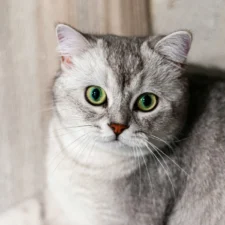


Cats are masters of mysterious behavior. One day, your feline companion is supervising every household activity from the center of the kitchen, and the next, they have vanished behind the couch like a tiny furry ghost. While occasional hiding is completely normal for many cats, sudden or unusual hiding behavior can sometimes signal stress, illness, or discomfort. At Town And Country Animal Hospital, your Habersham County veterinary clinic, we often help families understand changes in cat hiding behavior and determine when it may be time for a veterinary visit.
Cats are experts at keeping secrets, especially when it comes to how they’re feeling. That’s why even small changes in your kitty’s behavior—like suddenly hiding more than usual—can be important clues. Sometimes, Fluffy’s disappearing act is her way of telling you she’s stressed, anxious, or not feeling her best. By learning to spot these subtle signals and knowing what to watch for, you’ll be better equipped to keep your whiskered roommate happy and healthy.
Is Hiding Ever Normal for Cats?
Absolutely! Most cats love having a secret spot where they can nap, keep an eye on their kingdom, or just enjoy a little peace away from the hustle and bustle.
Cats often hide for reasons such as:
- Napping
- Seeking warmth
- Feeling overstimulated
- Avoiding loud activity
- Enjoying privacy
Just like people, some cats are social butterflies, while others prefer to keep things low-key. Breed and personality both play a part in how much your cat likes to hide.
But if your usually outgoing kitty suddenly starts acting like a recluse, it’s time to pay closer attention. Big changes in hiding habits can be a sign that something’s up.
Why Cats Hide When Stressed
Stress is one of the top reasons cats suddenly go into stealth mode.
Cats are creatures of habit, and even the tiniest change at home can feel like a big deal to your feline overlord.
Common Stress Triggers for Cats
Possible stressors may include:
- Moving furniture
- New pets
- Visitors
- Loud noises
- Construction sounds
- New babies
- Travel
- Changes in routine
Even something as innocent as a new vacuum cleaner can send your cat running for cover—after all, you never know when that noisy monster might strike again!
Stressed Cat Behavior Often Includes More Than Hiding
Additional signs of stressed cat behavior may include:
- Reduced appetite
- Overgrooming
- Irritability
- Changes in litter box habits
- Reduced playfulness
- Increased vocalization
Some cats turn into little shadows when they’re stressed, while others prefer to disappear until the coast is clear.
Illness Can Cause Cats to Hide
One big reason to keep an eye on sudden hiding is that cats often go undercover when they’re not feeling well.
Sick Cats Often Become Quiet and Withdrawn
Unlike their canine cousins, cats are pretty tight-lipped about feeling under the weather.
Instead, many cats respond to illness by:
- Hiding
- Sleeping more
- Avoiding interaction
- Eating less
- Becoming less active
This sneaky behavior comes from their wild ancestors, who learned to hide any weakness to stay safe.
Sick Cat Warning Signs to Watch For
Contact your veterinary clinic if hiding behavior occurs alongside:
- Vomiting
- Diarrhea
- Reduced appetite
- Weight loss
- Limping
- Breathing changes
- Increased thirst
- Litter box changes
If you notice any of these signs along with hiding, it’s time to give us a call. Your kitty may need a checkup to rule out anything serious.
Pain and Discomfort Can Trigger Hiding
When cats are hurting, they usually try to lay low and avoid too much activity or attention.
Common Sources of Discomfort
Possible causes may include:
- Arthritis
- Dental disease
- Injuries
- Urinary problems
- Digestive issues
- Chronic illness
Older cats, in particular, might start hiding more if their joints are getting stiff or sore.
Cats Rarely Cry Out in Pain
Most cats keep quiet about their aches and pains, so watching for changes in behavior is extra important.
If your cat suddenly stops doing their favorite things or starts hiding out more than usual, it’s a good idea to check in with your vet.
Anxious Indoor Cats May Hide More Frequently
Indoor cats can experience anxiety just like people and dogs do.
Environmental Stimulation Matters
Boredom, insufficient playtime, or a stressful environment can all make indoor cats anxious.
Cats need opportunities for:
- Climbing
- Scratching
- Hunting-style play
- Resting
- Observation
If life gets a little too dull, some cats will retreat and act anxious instead of their usual playful selves.
Safe Spaces Help Cats Feel Secure
Cats feel much more relaxed when they know they have a safe spot to curl up and watch the world go by.
Helpful comfort spaces may include:
- Cat trees
- Covered beds
- Quiet shelves
- Window perches
- Low-traffic rooms
Giving your cat a few different cozy spots lets them pick what feels best, which helps them feel more in control and comfortable.
Changes in the Home Environment Matter
Cats are quick to spot changes around the house—even the ones we humans barely notice.
Household Changes That May Affect Cats
Examples include:
- Rearranged furniture
- New scents
- Holiday decorations
- Different schedules
- Guests
- Renovation projects
Some cats roll with the punches, while others need a little extra time (and maybe a few extra treats) to adjust.
Outdoor Activity Can Affect Indoor Cats Too
Outdoor animals, neighborhood cats, or wildlife visible through windows may increase territorial stress for some indoor cats.
This can lead to more hiding, pacing, or your cat keeping a close eye on those outdoor visitors.
Litter Box Problems and Hiding May Be Connected
Changes in litter box habits often overlap with changes in cat behavior.
Cats With Urinary Problems May Hide
Urinary problems can get serious fast, especially for male cats, so don’t wait to reach out if you notice anything unusual.
Watch for symptoms such as:
- Frequent litter box visits
- Straining
- Crying
- Blood in urine
- Accidents outside the box
If you suspect a urinary blockage, treat it as an emergency and call your vet right away.
Stress Can Affect Bathroom Habits Too
Stressed-out cats might skip the litter box or change their bathroom habits when they’re feeling anxious.
Senior Cats and Behavioral Changes
As cats get older, it’s normal for their behavior to change little by little.
Arthritis May Reduce Activity
If your senior kitty’s joints are achy, they might skip climbing, jumping, or hanging out with the family as much.
Cognitive Changes Can Affect Behavior
Senior cats sometimes develop:
- Confusion
- Sleep pattern changes
- Increased vocalization
- Anxiety
- Disorientation
If your older cat suddenly starts hiding more, it’s always a good idea to have your vet take a look.
How to Help a Hiding Cat Feel More Comfortable
Trying to drag a scared or stressed kitty out of hiding usually just makes things worse.
Allow Cats to Approach on Their Own Terms
Instead, let your cat come out when they’re ready, and offer calm, gentle attention to help them feel safe.
Maintain Consistent Routines
Cats often feel more secure with predictable schedules involving:
- Feeding
- Playtime
- Quiet rest periods
Provide Enrichment Opportunities
Interactive toys, scratching areas, and climbing spaces support emotional wellness for anxious indoor cats.
Monitor Eating and Drinking
Even if your cat seems a little stressed, they should still be eating, drinking, and using the litter box like usual.
If your cat stops eating or just seems really tired, don’t wait—give your vet a call right away.
When Should You Call the Veterinarian?
If your cat hides now and then, it’s usually nothing to worry about.
However, veterinary evaluation is recommended if hiding behavior:
- Appears suddenly
- Persists unusually long
- Happens alongside appetite changes
- Includes vomiting or diarrhea
- Occurs with breathing changes
- Involves pain or limping
- It is paired with litter box changes
Here at Town And Country Animal Hospital, we’re here to help you figure out what’s behind your cat’s behavior—whether it’s a medical issue or just a case of the kitty blues.
Fun Facts About Cat Behavior
Cats are full of fascinating quirks and instincts that keep us on our toes.
Cats Naturally Seek Safe Observation Points
Lots of cats love to perch up high or snuggle into cozy hideouts where they can quietly keep tabs on everything.
Cats Hide Illness Instinctively
Wild cats learned to hide any weakness so they wouldn’t look like easy targets.
Cats Are Highly Sensitive to Routine Changes
Even a tiny change in the daily routine can throw some cats for a loop.
Scratching Helps Cats Feel Secure
Scratching isn’t just for fun—it helps cats stretch out and leave their mark (literally) around the house.
Want to read more about cat behavior? Click here to read an article from Britannica on it. Click here to read PetMD’s take on kitty affection and behavior.
FAQ
Is sudden cat hiding behavior always a problem?
Not always, but sudden or prolonged hiding may signal stress, pain, illness, or environmental anxiety.
What causes stressed cat behavior?
Common causes include routine changes, loud noises, new pets, visitors, or environmental disruptions.
What are the important sick cat warning signs?
Reduced appetite, vomiting, changes in litter box habits, lethargy, breathing changes, and sudden hiding may all indicate illness.
How can I help anxious indoor cats?
Provide enrichment, safe hiding spaces, predictable routines, and calm environments to help reduce stress.
When should I worry about changes in my cat’s behavior?
If changes are sudden, persistent, or paired with physical symptoms, veterinary evaluation is recommended.
Schedule a Wellness Visit at Our Habersham County Veterinary Clinic
Cats communicate in subtle ways, and sudden hiding may sometimes signal emotional stress or underlying illness. At Town And Country Animal Hospital, our Habersham County veterinarians help families better understand cat hiding behavior, identify potential sick-cat warning signs, and support healthier routines for anxious indoor cats. Whether your feline companion seems stressed, withdrawn, or unusually quiet, our veterinary clinic is here to help evaluate concerning cat behavior changes and support your cat’s long-term wellness.
Are you searching online for a trusted “vet near me” in Habersham County? Contact Town And Country Animal Hospital today to schedule your cat’s wellness appointment with our caring veterinary team.
This blog is intended for informational purposes only. Always consult your veterinarian for medical advice, diagnosis, and treatment recommendations tailored to your pet’s individual needs.
To find out more about Town and Country Animal Hospital, start by stopping by our Service page. You’ll find overviews of the services we offer, including basics like Wellness Care and Vaccinations, as well as Boarding, Grooming, and more.