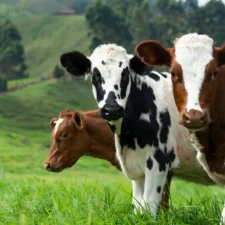


Cows are intelligent, social animals with strong routines, distinct personalities, and a remarkable ability to remember where the feed bucket is located at all times. Whether you manage a small family farm or a larger cattle operation, creating a healthy environment for your herd involves much more than simply providing food and water. At Town And Country Animal Hospital, your Habersham County large animal veterinary clinic, we enjoy helping farmers support long-term herd wellness through practical management strategies and preventive care. These cow care tips can help improve your cattle’s comfort, health, and daily quality of life.
Cattle do best when their physical, nutritional, and environmental needs are met every day. Good management, balanced nutrition, comfortable living spaces, and regular vet care all help keep your herd healthy. Even small daily changes, such as better nutrition or comfort measures, can make a big difference for your cattle.
Why Cow Comfort Matters More Than Many People Realize
Comfort directly affects cattle health, behavior, and overall wellness.
Stress, overcrowding, poor nutrition, muddy conditions, and inconsistent routines may all contribute to long-term health concerns.
Supporting comfort can help improve:
- Mobility
- Appetite
- Social behavior
- Resting habits
- Overall wellness
- Environmental cleanliness
Healthy cattle are often calmer, more active, and better able to handle environmental changes throughout the seasons.
North Georgia’s humid summers and rainy weather can affect cattle comfort, so it’s important to manage these conditions carefully.
1. Provide Clean Water and Balanced Nutrition
First things first: cows need steady access to fresh, clean water and a balanced diet to stay at their best.
Clean Water Matters Every Day
Cows can really put away the water, especially when the weather heats up.
Water intake supports:
- Digestion
- Temperature regulation
- Milk production
- Overall body function
If water sources are dirty or not well-maintained, cows may drink less and develop health problems.
Give those water troughs a regular scrub to keep your cows happy and hydrated.
Focus on Balanced Cattle Nutrition
Feeding cattle well means more than just giving them hay or feed.
Nutritional needs vary depending on:
- Age
- Breed
- Production stage
- Activity level
- Seasonal conditions
Balanced nutrition keeps cattle strong, healthy, and energetic.
Monitor Body Condition Regularly
If you notice changes in a cow’s weight or body condition, it could be an early sign of a nutrition problem or illness.
Regular wellness checks make it easier to monitor your herd’s health.
2. Improve Shelter and Resting Areas
Cattle need dry, comfortable places to rest and get out of bad weather.
Shade Is Essential During Georgia Summers
Summers in North Georgia can be hot and humid, increasing the risk of heat stress in cattle.
Helpful livestock comfort ideas for warmer weather may include:
- Shade structures
- Trees
- Ventilation improvements
- Fans in enclosed areas
- Consistent water access
Heat stress can make cattle eat less, feel tired, and be less active.
Dry Ground Helps Protect Hoof Health
Muddy conditions may contribute to:
- Hoof problems
- Slipping injuries
- Skin irritation
- Increased bacteria exposure
Making sure your cows have dry spots to eat and rest helps keep their hooves healthy and their spirits high.
Comfortable Bedding Matters Too
Fresh bedding not only keeps things dry but also gives your cows a cozy place to catch some Z’s.
3. Reduce Stress Through Consistent Handling
Cows are creatures of habit and really appreciate a calm, predictable routine.
Calm Handling Helps Reduce Anxiety
Loud noises, quick movements, or rough handling can make cows nervous—and nobody wants a jumpy cow.
Calmer handling practices often support:
- Safer movement
- Easier veterinary care
- Reduced injury risk
- Better overall behavior
Believe it or not, cows have great memories for routines and the folks who care for them, so your efforts don’t go unnoticed!
Avoid Overcrowding
Packing too many cows into a small space can lead to squabbles, stress, and even the spread of illness.
Giving your cows plenty of room to move and eat helps keep the peace and supports a healthier, happier herd.
Social Animals Need Companionship
Cattle are naturally social and generally do better when housed with compatible herd members.
Keeping a cow all by herself can make her lonely and stressed, so companionship is key.
4. Prioritize Preventive Veterinary Care
Regular vet visits are among the best ways to keep your herd healthy in the long term.
Wellness Visits Help Identify Problems Early
Regular veterinary evaluations may include monitoring:
- Weight and body condition
- Hoof health
- Parasite risks
- Respiratory health
- Reproductive wellness
- Nutrition concerns
Catching little problems early can save you a lot of headaches—and keep your whole herd healthier.
Parasite Prevention Matters in Georgia
Here in North Georgia, pesky parasites seem to think it’s always their season, so prevention is extra important.
Preventive care may help reduce risks involving:
- Internal parasites
- Flies
- Ticks
- Mosquitoes
A good wellness plan helps keep your cows in great shape year-round.
Vaccination Programs Support Herd Health
Vaccination recommendations may vary depending on herd size, environment, and management goals.
Your vet team can help you put together a preventive care plan that fits your farm and your cows’ needs.
5. Provide Enrichment and Comfortable Environments
Cows love a little excitement and comfort in their lives—probably more than most folks realize.
Livestock Comfort Ideas Can Improve Welfare
Even small changes around the barn or in the pasture can help your cows feel better and perform at their best.
Examples may include:
- Brush stations
- Open roaming space
- Dry lounging areas
- Shade access
- Comfortable feeding areas
Cows love a good scratch, which is why your fence posts might double as their favorite spa spot.
Monitor Herd Behavior
If your cows start acting differently, it could be their way of telling you something’s up.
Watch for:
- Isolation from the herd
- Reduced appetite
- Limping
- Excessive lying down
- Aggression
- Breathing changes
Little changes in how your cows act can be big clues about their health.
Seasonal Challenges for Cattle in North Georgia
Georgia’s weather creates different challenges throughout the year.
Summer Heat and Humidity
Hot weather may increase:
- Heat stress risks
- Dehydration
- Fly activity
When the summer sun is blazing, make sure your cows have plenty of shade and fresh water to keep cool.
Wet Weather and Mud
After a good rain, watch out for muddy patches—wet feet can lead to sore hooves and cranky cows.
Keeping resting spots dry and improving drainage helps your cows stay comfortable and healthy.
Winter Weather Still Requires Preparation
While North Georgia winters are often mild, cattle still benefit from shelter during cold, rainy, and strong-wind conditions.
Signs a Cow May Need Veterinary Attention
Prompt veterinary care helps protect both individual animals and overall herd health.
Watch for:
- Reduced appetite
- Weight loss
- Limping
- Coughing
- Nasal discharge
- Diarrhea
- Swelling
- Isolation from the herd
- Reduced activity
Cattle often hide illness quietly at first, making regular observation extremely important.
At Town And Country Animal Hospital, our Habersham County veterinarians support livestock through preventive care, herd health planning, and large-animal veterinary services.
Fun Facts About Cows
Cows are more intelligent and social than many people realize.
Cows Form Social Bonds
Many cattle develop preferred companions within the herd.
Cows Have Excellent Memories
They often recognize familiar people, routines, and locations.
Comfortable Cows Spend More Time Resting Calmly
Resting behavior is an important part of overall cattle wellness.
Cattle Enjoy Enrichment Too
Brushes, open space, and comfortable environments help support natural behaviors.
The Animal and Plant Health Inspection Service has a good overview of common cow diseases. Clemson University also has one on its site specifically about beef cow illnesses.
FAQ
What are important cow care tips for healthier cattle?
Balanced nutrition, clean water, proper shelter, stress reduction, and preventive veterinary care all support healthier cattle.
What supports good, healthy cattle management?
Routine wellness monitoring, clean environments, proper nutrition, and low-stress handling practices all contribute to healthy herd management.
What are helpful cattle nutrition tips?
Fresh water, balanced feed, proper forage, and monitoring body condition help support healthier cattle nutrition.
Why are livestock comfort ideas important?
Comfort affects behavior, mobility, stress levels, and overall wellness in cattle.
How does preventive care support farm animal wellness?
Routine veterinary care helps identify health concerns early, supports parasite prevention, and supports herd health planning.
Schedule Large Animal Care With Our Habersham County Veterinary Team
Healthy cattle thrive in environments that support comfort, nutrition, and consistent preventive care. At Town And Country Animal Hospital, our Habersham County veterinarians enjoy helping farmers improve herd wellness through practical cow care tips, preventive services, and personalized guidance for healthy cattle management. Whether you need help with nutrition planning, parasite prevention, or improving daily farm animal wellness, our veterinary clinic is here to support your herd.
Are you searching online for a trusted “vet near me” for large animal care in Habersham County? Contact Town And Country Animal Hospital today to schedule a herd wellness visit with our experienced veterinary team.
This blog is intended for informational purposes only. Always consult your veterinarian for medical advice, diagnosis, and treatment recommendations tailored to your animals’ individual needs.
To find out more about Town and Country Animal Hospital, start by stopping by our Service page. You’ll find overviews of the services we offer, including basics like Wellness Care and Vaccinations, as well as Boarding, Grooming, and more.