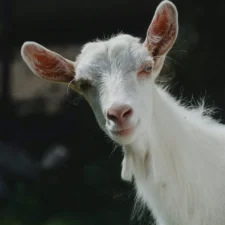


If you’ve spent time with goats, you know they’re both farm animals and little acrobats. One moment, they’re quietly eating hay, and the next, they’re perched on something you never expected. At Town And Country Animal Hospital, we enjoy helping families in North Georgia create healthier spaces for their goats with practical shelter and enrichment tips. Safe shelters and fun play areas help keep your herd comfortable, lower their stress, and encourage better behavior.
Goats are curious, social, and very active. Good shelters protect them from the weather and stress, while play areas give them chances to climb, explore, and exercise. Whether you have a few goats in your backyard or a larger herd, providing safe housing, creative playgrounds, and regular care helps your goats stay healthy and happy.
Why Proper Goat Housing Matters
Goats may be hardy animals, but they still require protection from harsh weather, damp conditions, predators, and environmental stress.
A good shelter setup helps support:
- Comfort during bad weather
- Reduced stress
- Better hoof health
- Cleaner resting areas
- Protection from predators
- Improved herd management
Goats really don’t like wet conditions more than most people think. In North Georgia, rain and humidity can make conditions muddy, leading to hoof and skin problems if shelters aren’t well-built.
Well-built shelters keep goats dry, healthy, and comfortable year-round.
Choose the Right Location for Goat Shelters
Where you put your shelter is very important.
Pick Higher Ground When Possible
Shelters placed on elevated ground generally drain better after heavy rain.
Poor drainage can contribute to:
- Mud buildup
- Hoof problems
- Damp bedding
- Increased bacteria
- Odor issues
Dry footing is especially important for maintaining healthier hooves and cleaner resting areas.
Provide Shade and Ventilation
North Georgia summers can become hot and humid, so ventilation matters tremendously.
Good airflow helps reduce:
- Heat buildup
- Humidity
- Respiratory irritation
- Moisture accumulation
Shelters also need to keep goats safe from strong winds and heavy rain.
Finding the right balance between airflow and protection is key to safe goat housing.
Build Shelters That Match Herd Size
Goats like living with other goats, but too many in one space can cause stress and make it harder to keep things clean.
Avoid Overcrowded Spaces
Each goat should have enough room to:
- Lie down comfortably
- Move freely
- Access food and water
- Escape dominant herd members if needed
Crowded shelters can lead to more fighting, bullying, and competition for food and water.
Separate Vulnerable Animals When Needed
Young kids, older goats, pregnant does, or injured animals sometimes need a quiet space away from the rest of the herd.
Having flexible shelter options makes it easier to care for your herd during medical needs or when the seasons change.
Focus on Dry, Comfortable Bedding
Clean bedding is very important for keeping backyard goats healthy.
Bedding Helps Insulate and Absorb Moisture
Common bedding materials may include:
- Straw
- Pine shavings
- Hay
- Other livestock-safe bedding
Dry bedding keeps goats comfortable and helps prevent skin and hoof problems.
Clean Shelters Regularly
Wet, dirty bedding may contribute to:
- Parasite buildup
- Odors
- Hoof problems
- Increased bacteria
- Fly attraction
Regular cleaning keeps goat shelters healthier.
Add Climbing Structures and Enrichment
Goats love to climb and explore. It often seems like they think everything on your property is meant for climbing.
Giving goats safe things to climb and explore helps keep them healthy in body and mind.
Why Farm Animal Enrichment Matters
When goats get bored, they often start causing trouble.
Without stimulation, goats may:
- Chew fences
- Escape enclosures
- Headbutt structures
- Develop stress-related behaviors
Fun enrichment activities help goats stay active and act more naturally.
Fun Goat Playground Ideas
Safe climbing structures may include:
- Wooden platforms
- Large cable spools
- Low ramps
- Sturdy benches
- Secure logs
- Elevated resting areas
Goats love to jump, balance, and watch everything from high up.
Safety Always Comes First
All enrichment structures should be:
- Stable
- Smooth-edged
- Securely anchored
- Free of sharp hardware
- Appropriate for goat size
If climbing structures aren’t safe, goats can get hurt.
Build Strong Fencing Around Goat Areas
If there’s one thing goats teach farmers, it’s that fences are more of a challenge than a barrier.
Goats Are Skilled Escape Artists
If the fencing is weak, goats will quickly find loose spots or places to climb, making it useless.
Strong fencing helps improve:
- Herd safety
- Predator protection
- Property protection
- Stress reduction
Check Fencing Regularly
Inspect fencing for:
- Gaps
- Loose boards
- Broken wire
- Sharp edges
- Sagging sections
Regular fence checks help keep your goats safe.
Protect Goats From Predators
Wild animals in North Georgia can be a danger to smaller or weaker goats.
Predator Risks May Include:
- Coyotes
- Stray dogs
- Foxes
- Large birds of prey for kids
Safe, secure shelters at night help protect your herd.
Good Lighting and Secure Doors Matter
Proper latches and sturdy shelter construction help reduce nighttime risks.
Goats feel safer and more relaxed when their shelter is secure.
Keep Feeding Areas Clean and Organized
Goats can be surprisingly messy eaters.
Elevate Hay Feeders When Possible
Keeping hay off the ground can help prevent waste and keep it cleaner.
Prevent Moldy Feed Exposure
Feed that gets wet can spoil fast, especially in Georgia’s humid weather.
Always remove damp or moldy feed promptly.
Fresh Water Should Always Be Available
Goats require consistent access to clean water, especially during hot weather.
Hydration plays an important role in digestion, temperature regulation, and overall wellness.
Watch for Weather-Related Challenges
Changing weather in North Georgia can affect how comfortable your goats are and what kind of shelter they need.
Summer Heat and Humidity
Goats need shade and good airflow when it’s hot outside.
Signs of heat stress may include:
- Rapid breathing
- Lethargy
- Reduced appetite
- Excessive panting
Wet Weather and Mud
Long rainy periods may create muddy conditions around shelters and feeding areas.
Adding gravel, improving drainage, and raising resting areas can help keep mud under control.
Winter Weather Still Matters
Even though winters in Georgia are usually mild, goats still need dry shelter when it’s cold, rainy, or windy.
Signs Your Goat May Need Veterinary Care
Routine wellness care remains important even for hardy farm animals.
Watch for:
- Reduced appetite
- Limping
- Weight loss
- Coughing
- Diarrhea
- Isolation from the herd
- Nasal discharge
- Changes in behavior
Goats usually hide when they’re sick, so it’s important to notice small changes in their behavior.
At Town And Country Animal Hospital, our North Georgia veterinarians support goat wellness through preventive care, herd health guidance, and large-animal veterinary services.
Fun Facts About Goats
Goats are smart and can be very entertaining.
Goats Love Climbing
Goats will try to climb even on steep or awkward surfaces.
Goats Are Highly Social
Most goats prefer companionship and interaction with herd members.
Goats Explore With Their Mouths
Goats often check out new things by nibbling or chewing on them.
Enrichment Supports Better Behavior
Goats that have things to do are usually calmer and less likely to cause trouble.
901 Goats has some great information on goat care. The Animal Welfare Foundation has some information on caring for goats.
FAQ
Why are proper goat shelters important?
Shelters protect goats from weather, mud, predators, and environmental stress while supporting healthier living conditions.
What are safe goat playground ideas?
Sturdy platforms, ramps, logs, and climbing structures provide enrichment and exercise opportunities for goats.
What should I know about safe goat housing?
Good ventilation, dry bedding, secure fencing, and enough space are all important parts of proper goat housing.
How does farm animal enrichment help goats?
Enrichment encourages natural climbing, exploration, and activity while reducing boredom-related behaviors.
What are the important aspects of backyard goat care?
Proper nutrition, shelter, hoof care, parasite prevention, and routine veterinary care all support healthy goats.
Schedule Goat Wellness Care With Our North Georgia Veterinary Team
Creating safe, enriching environments helps goats stay healthier, more active, and more comfortable throughout every season. At Town And Country Animal Hospital, our North Georgia veterinarians enjoy helping families improve goat shelters, develop creative goat playground ideas, and support healthier backyard goat care routines. Whether you need guidance about safe goat housing, nutrition, or overall herd wellness, our veterinary clinic is here to help support your farm animals.
Are you searching online for a trusted “vet near me” for goat and farm animal care in North Georgia? Contact Town And Country Animal Hospital today to schedule a wellness visit with our experienced large animal veterinary team.
This blog is intended for informational purposes only. Always consult your veterinarian for medical advice, diagnosis, and treatment recommendations tailored to your animals’ individual needs.
To find out more about Town and Country Animal Hospital, start by stopping by our Service page. You’ll find overviews of the services we offer, including basics like Wellness Care and Vaccinations, as well as Boarding, Grooming, and more.