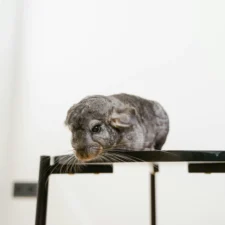


Chinchillas might look like little clouds with legs—and honestly, who can resist those adorable faces?—but don’t let their fluffiness fool you. These little guys have care needs that are a whole different ballgame compared to dogs, cats, or even other small pets. Here at Town And Country Animal Hospital, we meet plenty of new chinchilla parents who are surprised by just how sensitive these cuties can be to things like heat, diet, stress, and their living space. Learning the ins and outs of chinchilla care will help keep your pint-sized pal happy, healthy, and bouncing around for years to come.
Chinchillas are masters of disguise when it comes to hiding illness—after all, in the wild, it pays to keep things under wraps if you’re a snack-sized critter! This means that even small mistakes in their care can snowball into bigger health issues before you know it. Setting up a cozy, chinchilla-approved home, feeding the right diet, and keeping up with regular wellness checks are all key to making sure your little fluff stays in tip-top shape.
Why Chinchillas Require Specialized Care
Chinchillas hail from the cool, breezy mountains of South America, so they’re not exactly built for Georgia’s summer heat and humidity. These little fluffballs are much happier in a cool, stable environment.
Unlike some other small pets, chinchillas have very dense fur and sensitive stomachs. They also do best with a steady routine and a calm, low-stress environment. You can think of them as the introverts of the small pet world.
All these quirks mean that getting chinchilla care right is extra important if you want your little buddy to stick around for the long haul.
Many chinchilla care mistakes happen because people think they are just like rabbits, guinea pigs, or hamsters. But chinchillas have their own unique needs.
Mistake #1: Allowing Chinchillas to Overheat
One of the most serious mistakes in chinchilla care involves improper temperature control.
Chinchillas Are Extremely Sensitive to Heat
Their thick, soft fur might look cozy, but it also means chinchillas can overheat very quickly. Warm temperatures and high humidity can be dangerous for them.
Signs of overheating may include:
- Lethargy
- Rapid breathing
- Drooling
- Weakness
- Reduced appetite
- Lying stretched out
If you’ve ever experienced a North Georgia summer, you know how hot it can get. For chinchillas, this heat can be very dangerous if your air conditioning is not working well.
Keep Their Environment Cool and Stable
Make sure your chinchilla’s home is set up in a cool, dry, and breezy spot, far away from sunny windows and anything that gives off heat.
Avoid placing cages near:
- Sunny windows
- Heating vents
- Kitchens
- Humid laundry rooms
- Fireplaces
Your chinchilla might look like it could handle cold weather, but it is not built for heat. If they get too warm, it can become dangerous very quickly.
Mistake #2: Feeding an Improper Diet
What your chinchilla eats makes a huge difference in keeping them healthy and out of trouble.
Chinchillas Need High-Fiber Diets
A healthy chinchilla diet primarily consists of high-quality hay along with species-appropriate pellets recommended by your veterinarian.
All that fiber keeps their digestion running smoothly and helps wear down those ever-growing teeth.
Too Many Treats Can Cause Problems
Sugary fruits, seeds, nuts, and other treats that seem harmless can actually upset your chinchilla’s stomach or cause dental problems.
Just because a snack is safe for a hamster or guinea pig doesn’t mean it’s okay for your chinchilla.
Fresh Water Matters Too
Clean fresh water should always be available.
Water bottles should be checked regularly to confirm they function properly since clogged bottles may lead to dehydration surprisingly quickly.
Mistake #3: Using the Wrong Cage Setup
A proper chinchilla habitat setup involves more than simply purchasing a cage labeled for small animals.
Chinchillas Need Vertical Space
Chinchillas love to jump and climb, so a multi-level cage is like a playground for them. It keeps them active and entertained.
Wire Flooring Can Cause Foot Problems
Wire floors can be tough on those tiny feet, leading to soreness and even injuries if you’re not careful.
Safer cage setups often include:
- Solid resting platforms
- Safe ledges
- Hiding areas
- Species-appropriate chew toys
- Dust bath areas
Ventilation Is Important
Good airflow keeps things fresh and dry, which is great for your chinchilla’s health.
Mistake #4: Skipping Dust Baths
One of the more unique parts of chinchilla care is their bathing routine.
Chinchillas Should Not Be Bathed in Water
Unlike your dog or cat, chinchillas should never get a regular bath. Water gets trapped in all that fur and can cause skin problems or even fungus.
Dust Baths Help Maintain Coat Health
Chinchilla dust is like magic for their coats—it soaks up oils and keeps their fur in tip-top shape.
Most chinchillas enjoy rolling enthusiastically in dust baths like tiny furry gymnasts training for the Olympics.
Plan on offering dust baths a few times a week, or as your vet suggests, depending on your home’s conditions.
Mistake #5: Ignoring Dental Health
Dental issues are common chinchilla health problems because chinchilla teeth grow continuously throughout life.
Teeth Require Constant Wear
Chewing fibrous hay and safe chew materials helps wear teeth down naturally.
Without proper wear, teeth may become overgrown and painful.
Signs of Dental Problems May Include:
- Drooling
- Weight loss
- Reduced appetite
- Difficulty chewing
- Wet fur around the mouth
- Smaller droppings
Because chinchillas hide illness well, subtle symptoms should never be ignored.
Routine veterinary visits support early detection of dental concerns.
Mistake #6: Providing Too Little Mental Stimulation
Chinchillas are smart, curious animals who benefit from having things to do and explore.
Boredom Can Lead to Stress
A lack of stimulation may contribute to:
- Fur chewing
- Hiding
- Reduced activity
- Stress behaviors
Enrichment Supports Small Pet Wellness
Helpful enrichment ideas may include:
- Safe chew toys
- Climbing ledges
- Tunnels
- Hiding spots
- Supervised exercise areas
Rotating toys periodically may also help keep your furry pal mentally engaged.
Mistake #7: Delaying Veterinary Care
Many owners mistakenly assume small pets do not require routine veterinary care unless something appears seriously wrong.
Chinchillas Hide Illness Very Well
By the time symptoms become obvious, illnesses may already be advanced.
Routine wellness visits help monitor:
- Weight
- Teeth
- Digestion
- Skin and coat condition
- Behavior changes
- Overall health
Exotic Pet Veterinarians Matter
Chinchillas benefit from veterinary care provided by professionals experienced with exotic and small mammal species.
At Town And Country Animal Hospital, our Mount Airy, GA veterinary team understands the unique needs involved with proper chinchilla care and exotic pet wellness.
Signs Your Chinchilla May Need Veterinary Attention
Because chinchillas often hide symptoms, subtle changes can become important clues.
Watch for:
- Reduced appetite
- Smaller droppings
- Weight loss
- Fur loss
- Lethargy
- Difficulty chewing
- Drooling
- Breathing changes
- Reduced activity
If your chinchilla seems quieter or less active than normal, it is worth contacting your veterinary clinic.
Fun Facts About Chinchillas
Chinchillas are fascinating little animals with some pretty unique traits.
Chinchillas Have Extremely Dense Fur
Their fur is among the densest in the animal kingdom, which is one reason overheating becomes such a concern.
They Love to Jump
Healthy chinchillas are natural climbers and jumpers with impressive agility.
Chinchilla Teeth Never Stop Growing
Constant chewing is essential for maintaining proper dental wear.
Dust Baths Are Completely Normal
The rolling behavior during dust baths is an important part of keeping their coat healthy.
PetMD has a good chinchilla care guide and a piece on your chinchilla’s diet and nutrition needs.
FAQ
Why is proper chinchilla care important?
Chinchillas have specialized needs involving temperature, diet, dental care, and habitat conditions that directly affect health and comfort.
What should a proper chinchilla habitat setup include?
A proper habitat should provide ventilation, climbing space, safe flooring, hiding areas, chew toys, and a cool environment.
What makes a healthy chinchilla diet?
High-quality hay, species-appropriate pellets, fresh water, and limited treats support healthy digestion and dental health.
What are common chinchilla health problems?
Dental disease, overheating, digestive issues, and stress-related conditions are among the more common concerns.
Do chinchillas need veterinary care regularly?
Yes. Routine wellness visits support early detection of health concerns and help monitor overall small pet wellness.
Schedule Exotic Pet Care at Our Mount Airy, GA Veterinary Clinic
Chinchillas may be small, but their care needs are highly specialized. At Town And Country Animal Hospital, our Mount Airy, GA veterinarians enjoy helping exotic pet families support healthier routines through personalized chinchilla care, wellness evaluations, and husbandry guidance. Whether you need help improving your chinchilla habitat setup, managing a healthy chinchilla diet, or monitoring potential chinchilla health problems, our veterinary clinic is here to help your furry little companion thrive.
Are you searching online for an experienced “vet near me” for exotic pets in Mount Airy, GA? Contact Town And Country Animal Hospital today to schedule your chinchilla’s wellness appointment with our veterinary team.
This blog is intended for informational purposes only. Always consult your veterinarian for medical advice, diagnosis, and treatment recommendations tailored to your pet’s individual needs.
To find out more about Town and Country Animal Hospital, start by stopping by our Service page. You’ll find overviews of the various services we offer, which include basics like Wellness Care and Vaccinations, as well as Boarding, Grooming, and more.