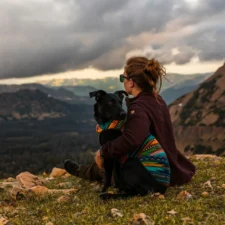


North Georgia has no shortage of beautiful hiking trails, scenic overlooks, waterfalls, and forest paths that practically beg for outdoor adventures with your canine companion. Whether your furry friend is a seasoned trail explorer or the enthusiastic type who believes every squirrel sighting is a personal mission, hiking can be a fantastic way to support both physical and mental wellness. At Town And Country Animal Hospital, your North Georgia veterinary clinic, we love helping pet families enjoy safe outdoor activities together through smart planning and practical hiking safety for dogs strategies.
Before you grab the leash and hit the trails, it is important to prepare for the unique challenges that come with hiking in the Georgia mountains. Heat, humidity, wildlife, rough terrain, insects, and dehydration can all affect your pup during outdoor adventures. Following good dog hiking tips, practicing proper outdoor dog safety, and understanding the realities of North Georgia trails with dogs can help create safer and more enjoyable experiences for both you and your four-legged hiking buddy.
Why Hiking Is Great for Dogs
Hiking isn’t just about stretching those legs. For your canine pal, it’s a chance to sniff, explore, and take in all sorts of new sights, smells, and textures. It’s like a doggy amusement park for the senses!
Benefits of hiking may include:
- Mental enrichment
- Physical activity
- Weight management support
- Confidence building
- Reduced boredom
- Bonding time with owners
Most dogs absolutely love getting to explore new places. All that sniffing along the trail isn’t just fun—it’s great mental exercise and helps keep your pup’s brain as healthy as their body.
If you have a high-energy breed, hiking is a fantastic way to help them burn off steam (and maybe even nap a little longer when you get home).
Choose Dog-Friendly Trails Carefully
Not every trail is a good fit for every dog. Some North Georgia hikes have steep climbs, slippery rocks, or crowds that can be a bit much for pups (and people) who are new to hiking.
Consider Your Dog’s Fitness Level
Your furry bestie does not need to summit a mountain on day one. Start with shorter, beginner-friendly hikes and gradually build endurance over time.
Factors to consider include:
- Age
- Breed
- Fitness level
- Health conditions
- Weather tolerance
- Experience level
Senior dogs, puppies, and brachycephalic breeds may tire more quickly during strenuous hikes.
Research Trail Rules Ahead of Time
Many North Georgia trails with dogs require leashes, while others may restrict pets entirely.
Check trail regulations before visiting and look for information regarding:
- Pet restrictions
- Water availability
- Wildlife warnings
- Terrain difficulty
- Trail length
A little planning goes a long way toward making sure everyone—two-legged and four-legged—has a safe and happy hike.
Bring Plenty of Water
Keeping your pup hydrated is one of the most important parts of hiking safely, especially when Georgia turns up the heat.
Dogs can overheat more quickly than many owners realize, particularly in humid conditions.
Offer Water Frequently
Pack plenty of water for both you and your four-legged friend.
A portable water bowl or collapsible dish makes it easy to stop for a quick drink along the way.
Offer water regularly rather than waiting until your dog appears thirsty.
Watch for Signs of Dehydration
Signs of dehydration or overheating may include:
- Heavy panting
- Dry gums
- Weakness
- Lethargy
- Excessive drooling
- Vomiting
North Georgia summers can get pretty intense, especially on sunny trails without much shade.
Protect Your Dog’s Paws
Trail surfaces can be tougher on paws than you might expect. Rocks, gravel, roots, and hot ground can all bother your dog’s feet on longer hikes.
Check Paw Pads During Breaks
Inspect your pup’s paws periodically for:
- Cracks
- Cuts
- Irritation
- Bleeding
- Embedded debris
Dogs are pretty tough and will often keep hiking even if their paws are sore, so it’s important to check them regularly.
Avoid Hot Surfaces
Rocks and parking lots can get hot enough to make your dog do the paw-lifting dance in warm weather.
If the ground feels too hot for your hand, it may also be too hot for your furry pal’s paws.
Watch for Wildlife and Environmental Hazards
North Georgia trails are beautiful, but they also come with natural hazards that pet owners should take seriously.
Snakes and Wildlife
Dogs are curious by nature and love to check out snakes, wildlife, and every new smell they find along the trail.
Keeping your dog on a leash helps avoid run-ins with:
- Snakes
- Raccoons
- Coyotes
- Skunks
- Porcupines
- Aggressive wildlife
Snakes are especially active during warmer months and may hide near rocks, logs, or tall grass.
Toxic Plants and Mushrooms
Some wild plants and mushrooms can be harmful if ingested.
Keep your canine buddy from munching on mystery plants or sipping from puddles along the trail.
Fast-Moving Water
Streams and waterfalls might look like a great place to cool off, but slippery rocks and strong currents can be risky for dogs.
Always keep a close eye on your pup around water.
Pack Smart for Hiking Trips
A little preparation goes a long way toward making your outdoor adventures safer and a lot more fun.
Helpful Hiking Supplies May Include:
- Fresh water
- Portable bowl
- Leash
- Waste bags
- First aid supplies
- Towels
- Snacks approved by your veterinarian
- Tick prevention products
Depending on trail length and weather conditions, additional gear may also be helpful.
Following practical dog hiking tips helps reduce unexpected problems on the trail.
Prevent Tick and Parasite Exposure
North Georgia’s wooded environments create ideal conditions for ticks and other parasites.
Check for Ticks After Hikes
Inspect your dog carefully after outdoor adventures, especially around:
- Ears
- Neck
- Toes
- Belly
- Tail area
Ticks can spread diseases to both pets and people, so it’s important to check your pup after every hike.
Stay Current on Preventive Care
Keeping up with parasite prevention is a must for any dog who loves the great outdoors.
Your veterinary clinic can recommend prevention strategies based on your dog’s lifestyle and hiking frequency.
Understand Your Dog’s Limits
Not every dog is a marathon hiker—and that’s perfectly okay.
Some dogs naturally prefer:
- Short walks
- Gentle terrain
- Cooler temperatures
- Frequent breaks
Pay attention to your dog’s body language throughout the hike.
Signs Your Dog May Need a Break
Watch for:
- Excessive panting
- Slowing down
- Limping
- Lying down frequently
- Refusing to continue
- Heavy drooling
Rest breaks help prevent exhaustion and overheating.
Senior Dogs Need Extra Consideration
Older dogs often still enjoy outdoor adventures but may benefit from:
- Shorter hikes
- Cooler weather outings
- Softer terrain
- More frequent breaks
If your dog has trouble getting around, chat with your veterinarian about what activities are best.
Practice Trail Etiquette
Good trail manners make hiking safer and more fun for everyone—dogs and humans alike.
Keep Dogs Leashed
Even the best-behaved dogs can get distracted by wildlife, new people, or all those exciting smells.
A leash keeps your dog safe and helps protect wildlife and fellow hikers, too.
Clean Up After Your Dog
Always bring waste bags and clean up after your pup—no one likes a surprise on the trail.
Respect Other Hikers
Not every hiker or dog wants to make new friends on the trail, so give others plenty of space.
Maintaining space and control supports better trail experiences for everyone.
Fun Facts About Dogs and Hiking
Dogs experience hiking very differently than humans do.
Sniffing Is Mental Exercise
Your canine companion gathers enormous amounts of information through scent during hikes.
Dogs Can Become Overheated Quickly
Unlike humans, dogs do not sweat efficiently and rely heavily on panting for cooling.
Hiking Supports Behavioral Wellness
Mental stimulation from outdoor exploration may help reduce boredom and stress-related behaviors.
Some Dogs Naturally Prefer Cooler Temperatures
Thick-coated breeds may struggle more during hot Georgia afternoons.
REI discusses backpacking with dogs on their site. The American Hiking Society also has a good piece on hiking with Fido.
FAQ
Why is hiking safety for dogs important?
Hiking exposes dogs to heat, rough terrain, wildlife, insects, and dehydration risks that require preparation and supervision.
What are the best dog hiking tips for beginners?
Start with shorter trails, bring plenty of water, keep dogs leashed, and monitor your dog closely for signs of fatigue.
Are North Georgia trails with dogs generally safe?
Many trails are dog-friendly, but pet owners should research trail conditions, wildlife risks, and weather before hiking.
How can I improve outdoor dog safety during hikes?
Leash use, hydration, parasite prevention, and frequent rest breaks all support safer hiking adventures.
Can senior dogs still go hiking?
Yes. Many senior dogs enjoy shorter, lower-impact hikes when activity levels are adjusted for comfort and mobility.
Schedule a Wellness Visit at Our North Georgia Veterinary Clinic
Outdoor adventures can be a wonderful way to support your dog’s physical and mental wellness when approached safely. At Town And Country Animal Hospital, our North Georgia veterinarians enjoy helping active pet families prepare for healthier outdoor experiences through personalized wellness care, parasite prevention, and active dog care guidance. Whether you need help with hiking safety for dogs, tick prevention, or preparing for North Georgia trails with dogs, our veterinary clinic is here to help your furry friend stay safer on the trail.
Are you searching online for a trusted “vet near me” in North Georgia? Contact Town And Country Animal Hospital today to schedule your dog’s wellness appointment before your next outdoor adventure.
This blog is intended for informational purposes only. Always consult your veterinarian for medical advice, diagnosis, and treatment recommendations tailored to your pet’s individual needs.
To find out more about Town and Country Animal Hospital, start by stopping by our Service page. You’ll find overviews of the various services we offer, which include basics like Wellness Care and Vaccinations, as well as Boarding, Grooming, and more.