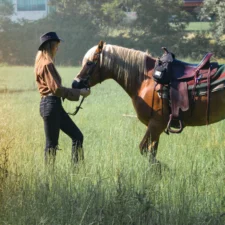


There is nothing quite like exploring Georgia trails on horseback. The fresh mountain air, winding wooded paths, and steady rhythm of your horse’s hoofbeats can make trail riding both relaxing and exciting at the same time. Whether you are planning a short afternoon ride or a full weekend adventure, preparation plays a major role in horseback trail ride safety. At Town And Country Animal Hospital, your North Georgia veterinary clinic for equine care, we regularly help horse owners prepare for safer outdoor riding experiences through practical planning and wellness support.
Georgia’s trails are gorgeous, but they do like to keep us on our toes. From surprise rain showers to rocky stretches, buzzing bugs, and the occasional curious critter, there’s plenty to plan for. Packing the right gear, following some tried-and-true trail tips, and brushing up on equine travel safety can help make your next ride safer—and a lot more fun—for both you and your four-legged trail buddy.
Why Trail Ride Preparation Matters
Trail riding asks a bit more from our horses than a lazy day in the pasture or a few laps around the arena. Uneven ground, hills, longer distances, and all those new sights and smells can be both physically and mentally challenging for your horse.
Proper preparation helps support:
- Rider safety
- Horse comfort
- Hydration
- Injury prevention
- Emergency readiness
- Stress reduction
Even the most seasoned trail horse can run into surprises out there. A little planning ahead means you’ll be ready to handle whatever the trail throws your way—hopefully with calm nerves and maybe even a smile.
Start With Your Horse’s Health
Before planning long rides or overnight trips, it is important to evaluate whether your horse is physically ready for the adventure.
Schedule a Wellness Visit
Routine wellness care helps your veterinarian assess your horse’s:
- Mobility
- Joint comfort
- Hoof condition
- Weight and body condition
- Vaccination status
- Parasite prevention needs
This becomes especially important for senior horses or horses returning to activity after time off.
Monitor Fitness Levels
If your horse’s main workout lately has been perfecting the art of grazing, a little conditioning will help get them trail-ready before you tackle those mountain miles.
Slowly building up exercise and trail time helps keep your horse safe and comfortable, and it gives those muscles and joints a chance to get used to the extra work.
Pack Plenty of Water
Staying hydrated is one of the biggest keys to a safe trail ride—especially when the North Georgia sun is doing its thing.
Horses Need Frequent Access to Water
Trail riding increases fluid loss through sweat, especially in humid conditions.
Dehydration may contribute to:
- Fatigue
- Reduced performance
- Muscle cramping
- Digestive concerns
- Heat stress
Make sure you pack plenty of water for both you and your horse—no one wants to be thirsty halfway down the trail.
Some Horses Prefer Familiar Water
Believe it or not, some horses become suspicious of unfamiliar water sources. Bringing water from home or flavoring water consistently ahead of time may encourage better drinking habits during travel.
Bring Essential Horse Trail Riding Gear
The right horse trail riding gear helps improve comfort and safety on the trail.
Basic Trail Riding Equipment May Include:
- Properly fitted saddle
- Saddle pad
- Bridle and reins
- Halter and lead rope
- Protective leg gear if appropriate
- Hoof pick
- Fly protection
- Reflective gear if riding near roads
Check all tack carefully before leaving. Worn straps, loose stitching, or damaged equipment can create safety risks during rides.
Carry Emergency Supplies
A small equine first aid kit can be incredibly helpful on the trail.
Helpful items may include:
- Bandaging materials
- Gauze pads
- Antiseptic supplies
- Vet wrap
- Gloves
- Emergency contact information
Preparation supports better equine travel safety, especially on remote trails.
Dress for Georgia Weather Conditions
Georgia weather can change quickly, particularly in mountain regions.
Hot Weather Requires Extra Preparation
North Georgia summers may bring:
- High humidity
- Strong sun exposure
- Sudden thunderstorms
- Increased insect activity
Riding during cooler morning or evening hours may improve comfort for both horse and rider.
Watch for Heat Stress
Signs of overheating in horses may include:
- Excessive sweating
- Rapid breathing
- Weakness
- Slow recovery
- Reduced energy
Providing rest breaks and hydration supports safer trail experiences.
Prepare for Rain and Mud
Even mild rain can create slippery conditions on certain trails.
Waterproof gear, extra towels, and proper hoof traction may help improve comfort and safety.
Plan Your Route Carefully
One of the best trail riding horse tips is simply knowing where you are going before heading out.
Research Trail Conditions Ahead of Time
Check for:
- Trail closures
- Weather conditions
- Terrain difficulty
- Water crossings
- Wildlife warnings
- Distance estimates
Some Georgia horseback riding trails involve steep climbs or rocky footing that may not suit every horse.
Avoid Riding Alone When Possible
Riding with a partner provides additional support during emergencies.
If riding alone, let someone know:
- Your planned route
- Expected return time
- Emergency contact information
Preparation matters even for experienced riders.
Watch for Wildlife and Environmental Hazards
North Georgia trails are beautiful, but they also contain natural risks that horse owners should take seriously.
Snakes Can Be Active on Trails
Snakes often hide near rocks, logs, tall grass, and sunny areas.
Keeping horses calm and attentive helps reduce sudden reactions if wildlife appears unexpectedly.
Insects Can Affect Horse Comfort
Flies, mosquitoes, and biting insects may increase stress and distraction during rides.
Fly protection may help improve comfort during warmer months.
Uneven Terrain Increases Injury Risk
Rocks, roots, mud, and steep slopes may increase strain on joints and hooves.
Watching footing carefully is an important part of horseback trail ride safety.
Pack Nutrition and Snacks Carefully
Longer rides may require additional planning for feeding and recovery.
Bring Hay for Overnight Trips
Consistent forage supports digestive health during travel.
Avoid Sudden Dietary Changes
Abrupt feed changes may upset digestion or contribute to colic risks.
Riders Need Snacks Too
It sounds obvious, but hungry riders make poor navigators. Trail riding is much more enjoyable when both horse and human stay fueled properly.
Practice Equine Travel Safety
Travel itself can create stress for some horses.
Prepare Your Trailer Carefully
Before travel:
- Check tires and brakes
- Inspect flooring
- Confirm ventilation
- Secure equipment properly
Allow Horses Time to Adjust
Some horses need extra time to settle into new environments.
Calm handling and predictable routines help support better equine travel safety during overnight trips or competitions.
Signs Your Horse May Need a Break
Pay attention to your horse’s behavior throughout the ride.
Signs of fatigue or discomfort may include:
- Slowing down
- Heavy breathing
- Excessive sweating
- Stumbling
- Reluctance to move forward
- Irritability
- Head lowering
Rest breaks allow horses to recover physically and mentally during longer rides.
Fun Facts About Trail Riding Horses
Trail horses develop some impressive skills over time.
Horses Read Terrain Carefully
Many horses naturally adjust footing and balance on uneven trails.
Horses Notice Changes Quickly
Your equine companion may react to unfamiliar sounds, scents, or wildlife before you notice them yourself.
Trail Riding Supports Mental Enrichment
Exploring new environments provides valuable mental stimulation for horses.
Hydration Matters More Than Many Riders Realize
Even mild dehydration may affect stamina and recovery during rides.
University of Missouri Extension has a helpful trail ride checklist. Chewy also offers some tips on packing for a trail ride.
FAQ
Why is horseback trail ride safety important?
Trail riding exposes horses and riders to uneven terrain, changing weather, wildlife, and physical exertion that require preparation and awareness.
What horse trail riding gear should I bring?
Essential gear often includes properly fitted tack, water, a first aid kit, fly protection, and emergency supplies.
What are important trail riding horse tips for beginners?
Start with shorter rides, bring enough water, check equipment carefully, and choose trails appropriate for your horse’s fitness level.
How can I improve equine travel safety?
Routine wellness care, trailer preparation, hydration, and gradual conditioning all support safer travel experiences.
Are North Georgia trails safe for horses?
Many Georgia horseback riding trails are excellent for horses, but riders should still research trail conditions, weather, and terrain before riding.
Schedule Equine Wellness Care at Our North Georgia Veterinary Clinic
Trail riding can be a wonderful way to strengthen the bond you share with your horse while enjoying North Georgia’s beautiful scenery. At Town And Country Animal Hospital, our North Georgia veterinarians help horse owners prepare for safer outdoor adventures through personalized wellness care, preventive services, and practical horseback trail ride safety guidance. Whether you need help with conditioning, vaccinations, equine travel safety, or selecting appropriate horse trail riding gear, our veterinary clinic is here to support both you and your equine companion.
Are you searching online for a trusted “vet near me” for equine care in North Georgia? Contact Town And Country Animal Hospital today to schedule your horse’s wellness appointment before your next trail riding adventure.
This blog is intended for informational purposes only. Always consult your veterinarian for medical advice, diagnosis, and treatment recommendations tailored to your horse’s individual needs.
To find out more about Town and Country Animal Hospital, start by stopping by our Service page. You’ll find overviews of the various services we offer, which include basics like Wellness Care and Vaccinations, as well as Boarding, Grooming, and more.