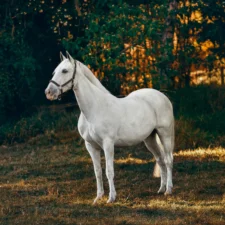


There’s just something about our senior horses, isn’t there? Maybe it’s their wise, gentle eyes, their steady presence in the pasture, or the way they always seem to know exactly where you’ve hidden the treat bucket. As our equine friends get older, their needs can sneak up on us—sometimes changing in ways that are easy to miss at first. Here at Town And Country Animal Hospital, we love helping horse owners like you keep those golden years truly golden. With a little planning and some practical know-how, you can help your horse stay comfortable, active, and happy well into their senior days.
Just like us, older horses may need a few tweaks to their daily routine—think of it as a little extra TLC. Nutrition, exercise, dental care, and regular checkups all play a big part in keeping your senior horse feeling their best. Paying attention to those little changes (like a slower walk to the hay pile or a new way of chewing) can make a world of difference. Whether it’s managing creaky joints or fine-tuning their diet, a proactive approach helps your horse enjoy every day to the fullest.
When Is a Horse Considered a Senior?
Many horses begin entering their senior years in their late teens or early twenties, although aging can vary depending on breed, workload, and overall health history.
Some older horses remain highly active well into their twenties, while others may begin showing signs of aging earlier. Your horse may still appear energetic and healthy even as internal changes gradually develop.
Common age-related changes may include:
- Reduced muscle tone
- Weight fluctuations
- Joint stiffness
- Dental wear
- Slower recovery after exercise
- Changes in digestion
- Lower energy levels
Because many changes happen gradually, regular veterinary care plays an important role in monitoring aging horse health over time.
1. Schedule Regular Wellness Exams
Routine veterinary care becomes increasingly important as horses grow older. Senior horses often benefit from more frequent wellness evaluations because subtle health changes can progress quietly.
During wellness visits, your veterinarian may evaluate:
- Weight and body condition
- Teeth and chewing ability
- Mobility and gait
- Hoof health
- Hydration
- Muscle condition
- Heart and lung function
- Digestive health
Wellness exams are also a great time to chat about anything you’ve noticed—maybe your horse seems a little stiff, isn’t as hungry as usual, or just isn’t quite themselves. We’re here to help you sort out what’s normal and what might need a closer look.
Horses are incredibly stoic animals and may continue functioning normally even when discomfort develops. Regular wellness visits help identify issues before they become more advanced.
2. Pay Close Attention to Older Horse Nutrition
As horses get older, their appetites and waistlines can change—sometimes in surprising ways! Some seniors have trouble keeping weight on, while others slow down and start packing on a few extra pounds.
Watch for Dental-Related Eating Changes
Older horses commonly experience worn or damaged teeth that affect chewing efficiency. Horses with dental changes may:
- Drop partially chewed hay
- Eat more slowly
- Lose weight
- Avoid certain foods
- Show signs of discomfort while chewing
Routine dental evaluations are an important part of senior horse care because proper chewing directly affects digestion and nutrient absorption.
Support Healthy Digestion
As horses age, their digestive systems can get a little less efficient. Softer hay, soaked feeds, or smaller, more frequent meals can help keep everything moving smoothly and make mealtime easier on those senior teeth.
Your veterinarian can help evaluate body condition and discuss feeding strategies based on your horse’s individual needs and activity level.
Monitor Water Intake Carefully
Don’t forget about water! Hydration is important all year, but those hot North Georgia summers can be especially tough on older horses. Seniors can get dehydrated more easily, especially if they’re not eating as much or the weather is extra toasty.
Make sure your horse always has plenty of fresh, clean water to sip on—no matter the season.
3. Focus on Horse Arthritis Management
A little creakiness is pretty common as horses get older, especially if they’ve spent years working hard or hitting the trails.
Watch for Subtle Signs of Discomfort
Signs related to joint discomfort may include:
- Stiffness when starting movement
- Reluctance to turn sharply
- Difficulty rising
- Reduced stride length
- Changes in performance
- Increased resting time
Some horses are pretty subtle about their aches and pains, so keeping a close eye on your senior’s movement and comfort is key.
Keep Senior Horses Moving
A little gentle movement goes a long way for stiff joints. Too much standing around can actually make things worse, so keep your senior moving—just at their own pace.
Appropriate exercise may include:
- Light riding
- Turnout time
- Hand walking
- Controlled low-impact activity
Every horse is different, so tailor their activity to what feels right for them. If you’re not sure, your vet can help you find the sweet spot.
Support Hoof Balance
Don’t forget those hooves! Good hoof care keeps your horse moving comfortably and helps take the pressure off aging joints.
Regular farrier visits are just as important for seniors as they are for the youngsters.
4. Adjust Exercise and Activity Expectations
Lots of older horses still love to get out and about, but they might need a little more time to bounce back after a busy day.
Warm-Ups Become More Important
Senior horses often benefit from slower warm-ups before exercise. Allowing extra time for muscles and joints to loosen may improve comfort during activity.
Avoid Sudden Intense Workouts
Gradual conditioning helps reduce strain on aging bodies. Weekend-only riding after long periods of inactivity can be harder on senior horses.
Mental Stimulation Still Matters
Even retired horses benefit from enrichment and interaction. Social turnout, grooming sessions, light groundwork, and environmental stimulation all contribute to emotional wellness.
Your equine companion may no longer be tackling long trail rides every weekend, but they still appreciate routine, movement, and attention.
5. Monitor Weight and Muscle Condition
Changes in body condition often occur gradually in aging horses.
Weight Loss May Signal Underlying Issues
Difficulty maintaining weight may relate to:
- Dental disease
- Digestive changes
- Parasites
- Metabolic concerns
- Reduced appetite
Regular body condition scoring can help track changes over time.
Muscle Loss Is Common With Aging
Senior horses may naturally lose topline muscle mass with age, especially if exercise levels decrease.
Appropriate activity, balanced nutrition, and wellness monitoring all support healthier muscle condition.
Obesity Can Also Be a Concern
Not every senior horse loses weight. Some horses become less active while maintaining high-calorie diets, which may contribute to excess weight and additional joint strain.
Routine wellness care helps your veterinary clinic tailor recommendations to your horse’s individual needs.
6. Watch for Seasonal Challenges in North Georgia
North Georgia weather can shift quickly throughout the year, and seasonal changes may affect senior horses more noticeably.
Summer Heat and Humidity
Hot temperatures and humidity may increase fatigue and dehydration risks in aging horses.
Helpful summer management strategies include:
- Providing shade
- Offering fresh water
- Avoiding peak heat hours
- Monitoring hydration
- Watching for heat stress
Cold Rain and Mud
While winters are generally mild in North Georgia, cold rain and muddy conditions may still affect comfort and mobility for senior horses.
Dry shelter areas and proper footing can help reduce strain on joints and hooves.
Parasite Prevention Matters Year-Round
North Georgia’s climate allows many parasites to remain active for long periods throughout the year. Preventive veterinary care and routine testing remain important parts of aging horse health management.
Fun Facts About Senior Horses
Senior horses often continue surprising their owners with their resilience and personality.
Horses Can Live Long Active Lives
Many horses continue light riding and turnout activities well into their twenties and beyond.
Horses Hide Discomfort Well
Subtle changes in movement or behavior may become important clues about underlying discomfort.
Social Interaction Matters
Horses are highly social animals and often benefit from companionship and consistent daily routines.
Older Horses Still Need Mental Stimulation
Retirement from riding does not mean retirement from enrichment. Exploration, turnout, grooming, and interaction all remain valuable.
University of Minnesota Extension writes about senior horse care on their site. Kentucky Equine Research also delves into caring for older horses.
FAQ
What age is considered senior for horses?
Many horses are considered seniors in their late teens or early twenties, although aging varies between individuals.
Why is senior horse care important?
Older horses often experience changes involving joints, teeth, digestion, and muscle condition that benefit from regular monitoring and management.
What helps with horse arthritis management?
Gentle exercise, routine veterinary care, proper hoof balance, and supportive management strategies can help maintain comfort and mobility.
How does older horse nutrition differ from younger horses?
Senior horses may need adjustments based on dental health, weight maintenance, digestion, and activity levels.
How often should senior horses see a veterinarian?
Many senior horses benefit from at least annual wellness visits, although some may require more frequent evaluations depending on their health.
Schedule Equine Care With Our North Georgia Veterinary Team
Supporting your horse through the senior years involves thoughtful care, routine monitoring, and strong communication with your veterinary team. At Town And Country Animal Hospital, our North Georgia veterinarians enjoy helping horse owners navigate every stage of senior horse care, from horse arthritis management to wellness planning and older horse nutrition guidance. Whether your equine companion is still trail riding or enjoying retirement in the pasture, our veterinary clinic is here to support healthy aging horse health.
Are you searching online for a trusted “vet near me” for equine care in North Georgia? Contact Town And Country Animal Hospital today to schedule a wellness visit with our experienced large animal veterinary team.
This blog is intended for informational purposes only. Always consult your veterinarian for medical advice, diagnosis, and treatment recommendations tailored to your horse’s individual needs.
To find out more about Town and Country Animal Hospital, start by stopping by our Service page. You’ll find overviews of the various services we offer, which include basics like Wellness Care and Vaccinations, as well as Boarding, Grooming, and more.