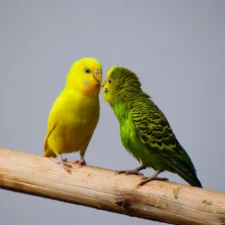


Birds are some of the most curious, clever, and downright entertaining pets you’ll ever meet. Whether your feathered pal is belting out a tune, climbing up their cage, or keeping a watchful eye on your every move from the highest perch in the house, they sure know how to keep us on our toes! But as much as we love their antics, it’s important to remember that birds are also quite sensitive to things in their environment that might not bother other pets. Here at Town And Country Animal Hospital, we spend a lot of time helping bird families spot those sneaky household hazards that can put our winged friends at risk. Knowing what to watch out for is the first step to making your home a safe, happy haven for your bird.
Birds have delicate respiratory systems, lightweight bones, and curious personalities that make them vulnerable to accidents and exposure risks many pet owners never expect. From hidden fumes to unsafe foods and overlooked environmental hazards, learning practical bird-safe home tips can help reduce exposure to toxic substances and other common indoor hazards for birds. Small changes around the home can make a big difference for overall pet bird safety.
Why Birds Are More Sensitive Than Other Pets
Birds breathe a bit differently than our furry friends, which means things like fumes and airborne particles can affect them much more quickly than they would a dog or cat.
Their natural curiosity also increases the risk of accidents involving:
- Household chemicals
- Electrical cords
- Open water
- Unsafe foods
- Ceiling fans
- Toxic plants
Since birds are prey animals by nature, they’re experts at hiding when they’re not feeling well. Sometimes the tiniest sign of trouble can mean something serious is brewing, so it’s important to keep a close eye on your feathered buddy.
That’s why a little prevention goes a long way toward keeping your bird safe.
1. Nonstick Cookware and Toxic Fumes
One of the biggest dangers for pet birds is something you can’t even see: fumes from overheated nonstick pans and appliances.
Why Fumes Are Dangerous
When some nonstick coatings get too hot, they can release invisible fumes that are extremely dangerous to birds—even if your bird is hanging out in another room.
Potential household sources may include:
- Nonstick pans
- Air fryers
- Space heaters
- Hair styling tools
- Self-cleaning ovens
Birds’ super-efficient lungs are great for singing and flying, but unfortunately, they also make our feathered friends extra sensitive to anything floating around in the air.
Keep Birds Away From Kitchens
Kitchens are one of the riskiest areas for birds due to:
- Cooking fumes
- Smoke
- Steam
- Hot surfaces
- Sharp objects
So, as tempting as it is to let your bird supervise dinner prep, it’s safest to keep them out of the kitchen.
2. Toxic Household Cleaners and Air Fresheners
A lot of the things we use to make our homes smell fresh and clean can actually be pretty risky for birds.
Common Indoor Bird Hazards Include:
- Aerosol sprays
- Air fresheners
- Scented candles
- Cleaning chemicals
- Essential oil diffusers
- Smoke
- Strong perfumes
Birds’ lungs are super sensitive to anything in the air, especially strong smells and sprays.
Choose Bird-Safe Cleaning Habits
Practical bird-safe home tips may include:
- Using unscented products
- Increasing ventilation
- Avoiding aerosol sprays near birds
- Keeping cages away from fumes
Making sure there’s plenty of fresh air and choosing your cleaning products wisely can really help keep your bird out of harm’s way.
3. Open Windows, Doors, and Ceiling Fans
Birds are quick, agile, and can take off in a flash—especially if something startles them.
Escape Risks Are Common
Even if your bird’s wings are clipped, they can still manage a good glide and might just find their way out of an open window or door.
Double-check windows, doors, and screens before allowing out-of-cage time.
Ceiling Fans Create Serious Injury Risks
If your bird is out and about, make sure those ceiling fans are off—trust me, it’s not a combination you want to test.
Other common physical indoor bird hazards include:
- Mirrors
- Large windows
- Open toilets
- Hot stovetops
- Open containers of water
Bird-proofing your home is just as important as childproofing—except, let’s be honest, most toddlers aren’t trying to launch themselves off the curtain rod at top speed!
4. Unsafe Foods and Kitchen Dangers
A lot of the snacks we love are actually a no-go for our feathered friends.
Toxic Items for Birds May Include:
- Chocolate
- Caffeine
- Alcohol
- Avocado
- Salty snacks
- Moldy foods
- Certain fruit pits and seeds
Birds have small bodies, which means even tiny amounts of unsafe foods can become problematic.
Supervise Birds Around Food Preparation
Birds are naturally curious and may attempt to sample foods, utensils, or cookware during meal preparation.
Keeping your feathered pal away from active cooking areas supports better pet bird safety.
5. Unsafe Toys and Household Materials
Not every toy or household item is safe for your bird to chew on or investigate—some things are better left unexplored!
Watch for Hazardous Materials
Potential concerns may include:
- Loose threads
- Small plastic pieces
- Toxic metals
- Frayed ropes
- Sharp edges
Since birds use their beaks to check out just about everything, it doesn’t take long for something unsafe to turn into a real hazard.
Rotate Safe Enrichment Toys
Birds love toys and need plenty of mental stimulation, but it’s important to check their playthings often for any signs of wear or damage.
Enrichment supports emotional wellness while reducing boredom-related behaviors.
6. Other Household Pets
Even if your dog or cat seems totally uninterested in your bird, accidents can happen in the blink of an eye.
Predator Instincts Still Exist
Even the gentlest pets can get startled by a sudden flutter and react in ways we wouldn’t expect.
Never leave birds unsupervised around:
- Cats
- Dogs
- Ferrets
- Other predatory pets
Stress Matters Too
Just seeing a potential predator—even through the safety of a cage—can be stressful for your bird.
Keeping your bird safely separated from other pets helps them feel more comfortable and less anxious.
7. Poor Cage Placement and Environmental Stress
Where you put your bird’s cage can make a big difference in their health and happiness.
Avoid Drafts and Temperature Extremes
Birds are pretty sensitive to quick changes in temperature.
Avoid placing cages near:
- Air vents
- Drafty windows
- Direct sunlight
- Kitchens
- Loud televisions
Birds Need Restful Sleep
Most birds need quiet, uninterrupted sleep to stay healthy—both physically and emotionally.
Sticking to a routine helps your bird feel secure and supports their overall well-being.
Signs Your Bird May Be Sick or Stressed
Birds often hide symptoms until illness becomes advanced.
Watch for:
- Fluffed feathers
- Reduced appetite
- Breathing changes
- Lethargy
- Changes in droppings
- Reduced vocalization
- Sitting low on the perch
- Tail bobbing
Even small changes in your bird’s behavior can be important clues that something’s not quite right.
If your feathered friend starts acting out of character, don’t wait—give your vet a call right away.
Fun Facts About Bird Safety
Birds are full of surprises, both in how they act and how their bodies work.
Birds Have Extremely Efficient Respiratory Systems
That efficiency helps support flight but also increases sensitivity to airborne toxins.
Birds Are Naturally Curious
Birds love to check things out with their beaks, which sometimes gets them into trouble.
Some Birds Need Twelve Hours of Sleep
Not getting enough sleep can leave your bird cranky and even affect their health.
Birds Notice Environmental Changes Quickly
Birds notice changes in their environment right away—whether it’s the lights, temperature, noise, or even a new routine.
Best Friends Animal Society has a great article on bird-proofing your home, available here. Best Friends Animal Society has a great article on birdproofing your home.
FAQ
What are the most common household dangers for pet birds?
Common risks include toxic fumes, ceiling fans, unsafe foods, household chemicals, and open windows or doors.
What are helpful bird-safe home tips?
Good ventilation, avoiding aerosols, supervising out-of-cage time, and using bird-safe products all help support safer environments.
Which toxic items for birds should owners avoid?
Nonstick cookware, scented products, chocolate, caffeine, and certain cleaning products may all pose risks.
Why are birds vulnerable to indoor bird hazards?
Birds have delicate respiratory systems, lightweight bodies, and naturally curious behaviors that increase environmental sensitivity.
How can I improve pet bird safety at home?
Careful supervision, proper cage placement, adequate ventilation, and reduced exposure to toxins all help improve bird safety.
Schedule Exotic Pet Care at Our Mount Airy, GA Veterinary Clinic
Birds require thoughtful environmental care to stay healthy, active, and comfortable indoors. At Town And Country Animal Hospital, our Mount Airy, GA veterinarians understand the unique needs involved with exotic pet wellness and pet bird safety. Whether you need guidance about bird-safe home tips, identifying toxic items for birds, or improving your birds’ daily environment, our veterinary clinic is here to help support your feathered friend’s health and happiness.
Are you searching online for an experienced “vet near me” for bird care in Mount Airy, GA? Contact Town And Country Animal Hospital today to schedule a wellness appointment with our exotic veterinary team.
This blog is intended for informational purposes only. Always consult your veterinarian for medical advice, diagnosis, and treatment recommendations tailored to your pet’s individual needs.
To find out more about Town and Country Animal Hospital, start by stopping by our Service page. You’ll find overviews of the services we offer, including basics like Wellness Care and Vaccinations, as well as Boarding, Grooming, and